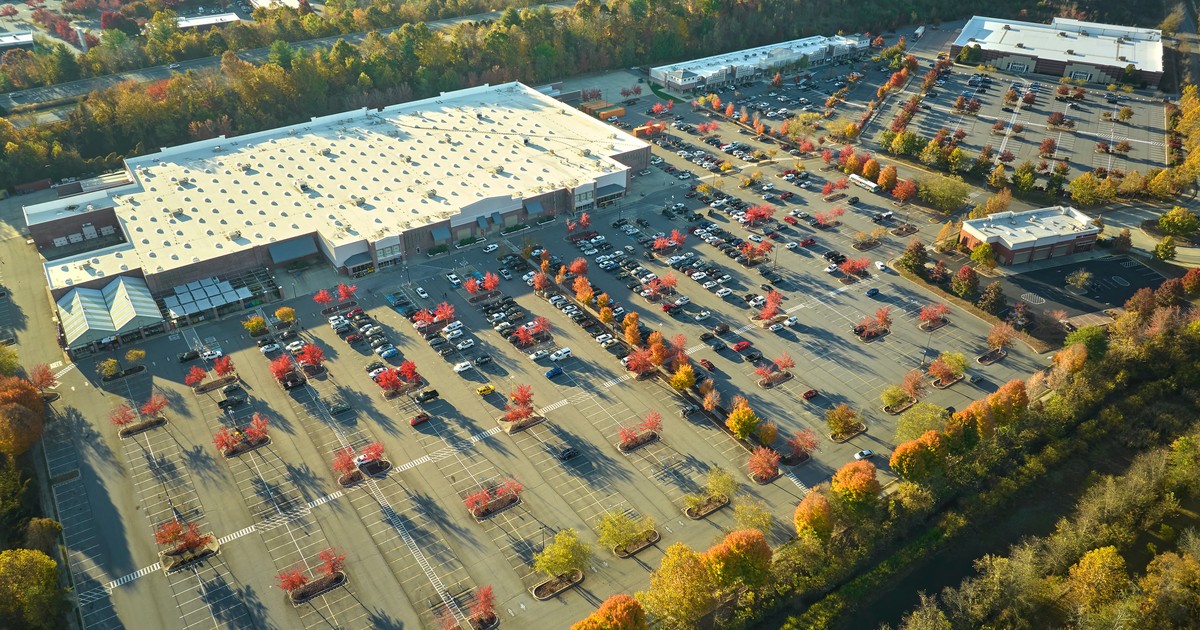
California AB 628 Explained: What OC Landlords Must Know About the 2026 Appliance Mandates
California's AB 628 requires a working stove and refrigerator in rentals at lease renewal. What Orange County landlords owe, what it costs, and the exceptions.
Residential Real Estate | Orange County, CA — August 31, 2026
Every January brings a fresh stack of California rental laws, and most of them land with a shrug. AB 628 is different — not because it’s complicated, but because of when it bites. The law took effect January 1, 2026, but it only attaches to leases signed, amended, renewed, or extended on or after that date. Which means a lot of Orange County owners who read the headline back in October and thought “doesn’t apply to me” are hitting their first renewal cycle right about now.
If you own rental property in OC — a Fullerton duplex, a Mission Viejo single-family rental, a Costa Mesa fourplex — here’s what actually changed and what it costs you.
What AB 628 Actually Requires
AB 628 amends California Civil Code §1941.1, the statute that defines whether a rental unit is legally habitable at all. That’s the important part. This isn’t a standalone regulation with its own fine schedule; it’s a rewrite of the baseline definition of a livable home.
Two additions:
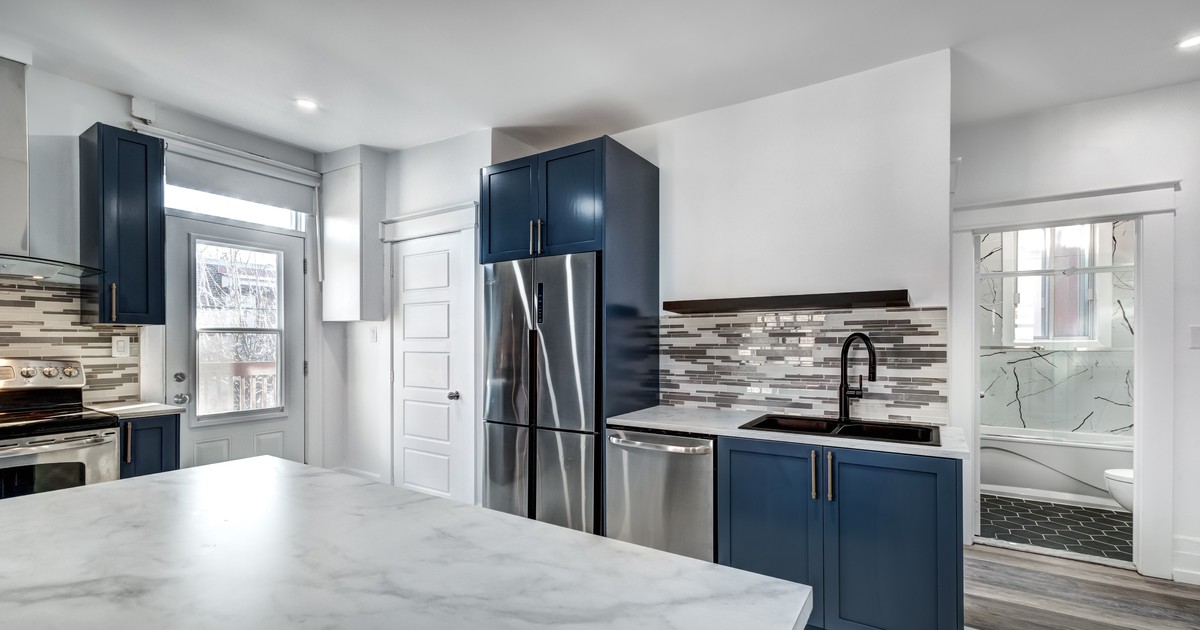
- A working stove or oven, capable of safely generating heat for cooking, maintained in good working order for the duration of the tenancy.
- A working refrigerator, capable of safely storing food, maintained the same way.
The law applies broadly — single-family rentals, condos and townhomes, duplexes, small multifamily, and apartments. Carve-outs exist for permanent supportive housing, single-room-occupancy units, residential hotels, and units in facilities with shared or communal kitchens, including assisted living.
There’s also a recall provision worth flagging: an appliance under manufacturer or public-agency recall is automatically deemed noncompliant, and you have 30 days from notice to repair or replace it. That’s a new standing obligation, not a one-time compliance task.
The Renewal Trigger Is Where Owners Get Caught
This is the part I keep having to explain. AB 628 didn’t retroactively rewrite every lease in California on New Year’s Day. It applies to leases entered into, amended, renewed, or extended on or after January 1, 2026.
For a landlord running annual leases, that means the obligation arrives on your own schedule — and for a lot of OC owners, that schedule is late summer and fall, right now. For month-to-month tenancies, the analysis gets murkier, and it’s worth a conversation with your attorney rather than a guess.
The practical version: pull your lease calendar. Any unit renewing in the next 90 days without a landlord-provided stove and refrigerator is a unit you need to budget for before the paperwork goes out.
The Refrigerator Exception — and Its Limits
Here’s the nuance most summaries get wrong. A tenant may supply their own refrigerator, but only with a written agreement documenting that choice at lease signing. Even then, the exception isn’t permanent — a tenant who later submits a written request with proper notice can require you to provide and install one.
The stove has no such off-ramp. Tenants cannot opt out. You provide it, you maintain it, full stop.
And “maintain” means what it says. Repair and replacement for normal wear and tear is the owner’s cost, not a deduction from the security deposit. That’s a real shift for the OC owners who’ve historically rented units appliance-free and let tenants sort it out.
What It Costs — and Why Non-Compliance Costs More
A basic stove-and-refrigerator pairing runs roughly $1,000 to $3,000 installed, depending on how far you go on finish and features. On a unit renting at Orange County’s Q2 2026 average of $2,727 per month, that’s somewhere between two weeks and five weeks of gross rent — a one-time capital cost against an asset you’ll hold for years.
Now the other side. AB 628 creates no new fines of its own. What it does is worse: it moves these appliances inside the habitability standard. A noncompliant unit is potentially an uninhabitable unit, which opens the door to rent withholding, repair-and-deduct, habitability claims, and an affirmative defense in an unlawful detainer action. Code enforcement can issue a notice to comply, typically with a 30-day cure window, and escalation from there runs to administrative hearings and penalties.
Put plainly: a $1,500 appliance package is cheap compared to a contested eviction where your own unit’s condition is the tenant’s defense.
The Orange County Angle
Context matters here. OC multifamily vacancy sat at roughly 4.3% in Q2 2026 — still among the tightest major markets in California — with average asking rents around $2,727 and year-over-year growth near 1.8%. Coastal submarkets are running slower on rent growth, around 1–2%, while north county and inland areas push closer to 3–4%.
In a market that tight, the compliance cost is absorbable. But the strategic read is more interesting: appliance-inclusive units have always leased faster and shown better in a competitive rental pool. AB 628 essentially takes a leasing advantage some owners already had and converts it into the floor. If you were relying on “no appliances, lower rent” as your positioning, that lever is gone — and repositioning the unit at market with a proper kitchen is usually the better economics anyway.
One more thing worth budgeting for: AB 628 wasn’t the only change on January 1. AB 414 modernized security-deposit returns to allow electronic delivery and emailed itemizations, and AB 246 created a temporary Social Security hardship defense in nonpayment evictions. If you’re updating leases for the appliance mandate, update the rest of the document at the same time.
The Bottom Line
AB 628 is a small law with a delayed fuse. The requirement is simple — working stove, working refrigerator, maintained by the owner — but the renewal trigger means most Orange County landlords encounter it months after the effective date, often mid-paperwork. Audit your lease calendar, price the appliance package before you need it, get any tenant-supplied refrigerator arrangement in writing at signing, and treat the 30-day recall clock as a standing obligation rather than a footnote.
None of this is legal advice, and the month-to-month questions in particular are worth running past your attorney. But the operational fix is straightforward, and the cost of getting ahead of it is far lower than the cost of arguing about it later.
If you own rental property in Orange County and want a second set of eyes on how this affects your holdings — or you’re weighing whether a repositioned unit is worth more sold than held — the Asbury Team has spent two decades on both sides of that math. Reach out; we’re happy to talk it through.
Sources
- AB 628 — California Legislative Information
- Landlords, Take Note: California Sets Clear Appliance Rules for 2026 Leases — Husch Blackwell
- Working stove, refrigerator required in rental units under newly signed law — California Apartment Association
- Mandatory Stoves and Refrigerators Under AB 628 — Wallace, Richardson, Sontag & Le, LLP
- In 2026, All Rental Homes in California Will Need to Have These 2 Things — KQED
- Orange County Multifamily Market Report, Q2 2026 — Kidder Mathews
- New compliance forms for 2026: Key updates tied to new laws — California Apartment Association