Santa Ana's Renaissance: Why the Arts District is the Smart Play for First-Time Buyers
Priced out of coastal OC? Why downtown Santa Ana's Arts District is a smart first-time buyer play, plus down payment help and the risks to weigh.
Residential Real Estate | Orange County, CA — October 12, 2026
If you’re a first-time buyer in Orange County, you already know the arithmetic is rude. Redfin put the countywide median sale price around $1.3 million as of March 2026, up 4.9% from a year earlier, and a 30-year fixed was hovering near 6.1% earlier this year. At those numbers, the dream of a starter home in Irvine or Newport is mostly a dream. So the smart question isn’t “How do I afford the OC I see on postcards?” It’s “Where is the OC that’s still being built, and can I get in early?” For a growing number of buyers, the answer points to downtown Santa Ana.
What the Arts District Actually Is
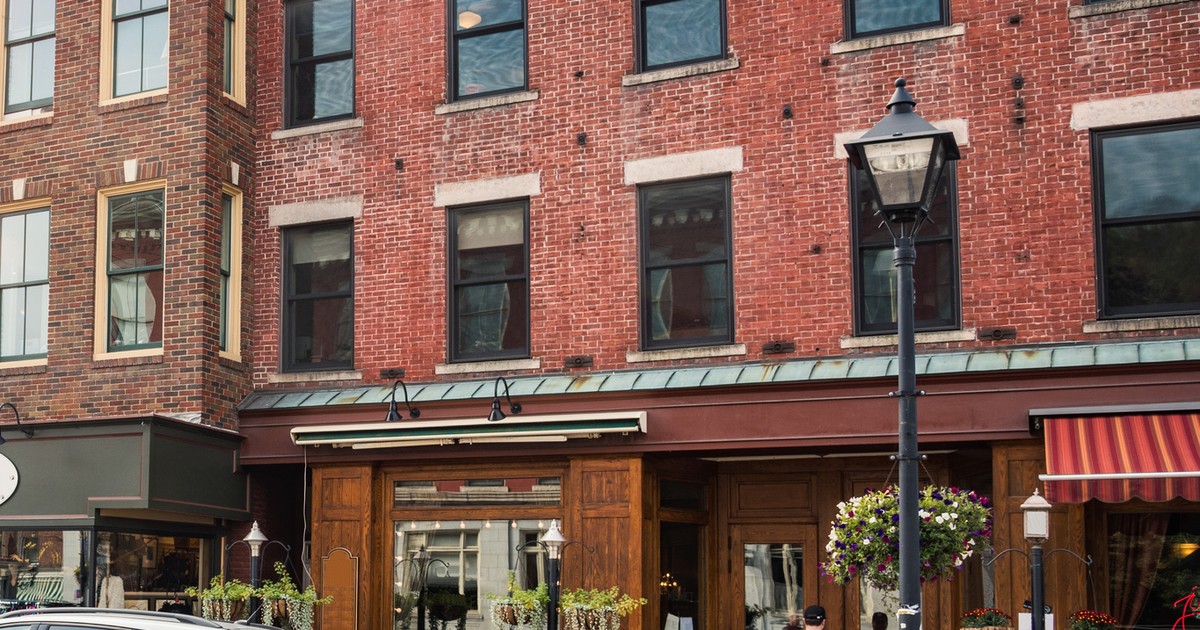
The Santa Ana Arts District is a roughly ten-block pocket centered on the 2nd Street Promenade. The bones are real: the Downtown Historic District landed on the National Register of Historic Places in 1984, and the Grand Central Art Center, a 45,000-square-foot anchor, opened in 1999. Historic landmarks like the 1929 Santora Building and the 1912 Yost Theater sit among more than 20 galleries and studios. This is not a developer’s marketing invention. The culture came first, and the housing is catching up.
That history matters for buyers because it explains why the neighborhood has staying power. Places with a genuine identity, walkable blocks, and a reason for people to show up on a Tuesday night tend to hold demand better than anonymous infill.
The Price Reality: Cheaper Than the County, Not Cheap
Let’s be straight about the numbers. ATTOM’s data showed a Santa Ana median sales price of roughly $1,044,000 in mid-2025, up 4.7% year over year. That figure blends every property type in the city, including larger single-family homes, so it overstates what a downtown buyer typically spends. Sources also disagree on the city’s median depending on how they define the market, which is a good reason to price specific streets and buildings rather than lean on a headline.
What I tell first-time buyers: the entry point near downtown is generally a condo, loft, or smaller older home, not a four-bedroom. That’s the trade. You give up square footage and a big lawn, and you get a walkable address, a shorter path to restaurants and venues, and a price tag meaningfully below what the same dollars buy on the coast. Your actual numbers will depend on the building, the HOA, and the condition, so let’s run them on a real property before you fall in love.
Why the Upside Case Is Credible
Three forces are working in your favor. First, transit: the OC Streetcar has long been pitched as a connector for the downtown core, and a 2019 UC Irvine survey found some homeowners expected transit-adjacent values to rise 10-15%. Treat that as expectation, not a guarantee, but the investment in the corridor is real.
Second, rental demand. A 218-unit complex on 4th Street is commanding rents above $3,000 a month. When renting nearby costs that much, owning a home you can live in, or house-hack with a roommate, starts to look sensible rather than aggressive.
Third, scarcity. Historic blocks can’t be replicated. Santa Ana’s recent General Plan update and projects like La Placita Cinco, which adds 50 affordable units, show the city planning for growth, but the character of the district is hard to manufacture.
Tools That Move the Math
First-time buyers have help most people overlook. The state’s Dream For All program offered up to 20% of the purchase price, capped at $150,000, for down payment and closing costs in its 2026 round, with winners chosen by lottery. The application window ran February 24 through March 16, 2026, so it has closed for this year, but it’s worth getting pre-approved and finishing the education course now so you’re ready if another round opens. Know the trade-off: the assistance is repaid with a share of appreciation when you sell or refinance.
If you’re looking at a historic property, ask about the Mills Act, which can cut property taxes by up to 50% for qualifying owner-occupied historic homes. It’s not available on every building, but where it applies, it changes the monthly payment math.
The Risks Worth Respecting
A fair look at this market includes the downsides. Gentrification and displacement have been part of the Arts District conversation for years, and buyers should come in as good neighbors, not tourists. HOA dues and special assessments on older buildings can bite. Parking, noise from a lively nightlife scene, and older systems are all line items. And as always, rates and local pricing can move, so buy for a five-to-seven-year horizon, not a quick flip.
The Bottom Line
Santa Ana’s Arts District won’t be the cheapest address in Orange County, but it may be one of the few places where a first-time buyer can still buy into a neighborhood with real momentum, real history, and a credible path to appreciation. Go in with a pre-approval, a realistic budget, a building-by-building comparison, and a clear-eyed view of the trade-offs.
Thinking about buying near downtown Santa Ana? The Asbury Team has spent two decades in this market. Reach out and we’ll walk the blocks with you, run the numbers on specific properties, and tell you honestly whether a given deal is worth it.